
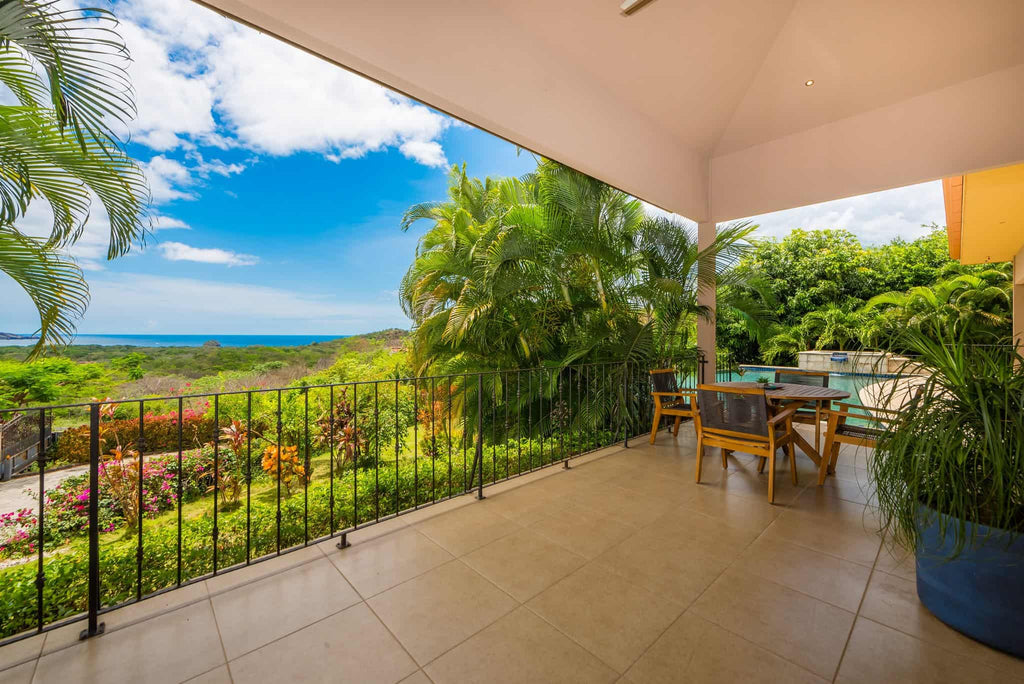
Common Mistakes to Avoid When Buying a Property in Costa Rica
Last reviewed: September 2026.
Buying property in Costa Rica can be a straightforward and rewarding experience when you approach it with the right information and professional team. Most avoidable problems come from making assumptions too early—about the property, the location, the paperwork, the budget or how the home will actually be used.
This guide focuses on 21 practical mistakes buyers can avoid. For a deeper legal and due-diligence discussion, see our Pitfalls of Buying Property in Costa Rica guide.
21 Common Mistakes When Buying Property in Costa Rica
1. Choosing a Property Before Choosing the Right Area
A beautiful listing does not automatically mean the location fits your day-to-day life. Before buying, compare access to groceries, restaurants, healthcare, beaches, the airport and the activities that matter to you. When possible, experience your preferred area in both dry and green season.
2. Evaluating Only the House and Not the Site
Drainage, slope, retaining walls, road access, wind exposure and surrounding development can matter as much as the house itself. For land, hillside homes or properties with significant structures, ask the appropriate surveyor, engineer, architect or contractor to evaluate property-specific concerns.
3. Working With Professionals Who Do Not Know the Local Market
Costa Rica is a collection of very different micro-markets. An agent who regularly works in your target community can help explain realistic property choices, local infrastructure, community rules and resale considerations. Your real-estate agent should coordinate with—not replace—your independent Costa Rican attorney and other specialists.
4. Assuming Prices Will Always Rise
Do not buy because someone promises appreciation. Property performance varies by location, condition, supply, buyer demand and market cycle. Buy first for a property and location that make sense for your goals; treat future appreciation as a possibility rather than a guarantee.
5. Treating Every Coastal Property the Same
Foreign buyers can generally own ordinary titled property in Costa Rica, but coastal property requires an extra question: is it titled land or within the Maritime-Terrestrial Zone? The zone is generally the first 200 meters from the ordinary high-tide line, with the first 50 meters public and the following 150 meters subject to the restricted/concession regime. Have your attorney verify the property's legal status and the rules that apply.
6. Skipping Independent Title and Registry Review
Your attorney should confirm the registered owner and review the property's Registry information for mortgages, liens, annotations, easements and other relevant encumbrances. A clean-looking property or seller-provided document is not a substitute for independent legal review.
7. Relying Only on Photos, Video or One Showing
Visit the property when practical and look beyond staging. Consider neighborhood activity, road access, noise, sun orientation, stairs, parking and how the property feels at different times of day. For a home or condo, an independent inspection can identify maintenance or construction items before closing.
8. Assuming the Cadastral Plan Matches What You See
For land and homes where boundaries matter, compare the registered cadastral plan with the physical property. A licensed surveyor can confirm boundaries when appropriate. This is particularly useful before planning additions, fences, pools or new construction.
9. Budgeting Only for the Purchase Price
Your budget should include transaction costs, professional due diligence, furnishing or repairs, HOA fees where applicable, insurance, utilities, taxes and ongoing maintenance. Buyers have historically used roughly 4–5% of the purchase price as a broad closing-cost planning reference, but this is not a fixed rule. Ask the closing attorney for a transaction-specific estimate before committing.
For more detail, see our Costa Rica Closing Costs guide.
10. Underestimating Construction or Renovation Variables
Construction timelines and costs depend on the site, design, permitting, contractor, materials and scope. Older planning advice sometimes treated permitting as a predictable three-month step or a custom build as a fixed 12–15-month project. Those can be useful historical reference points, but they should not be treated as guarantees. Get current estimates for the specific project.
11. Treating Vacation-Rental Income as Guaranteed
Rental performance varies by location, property type, season, management quality, pricing, operating costs and competition. Historical local management references have often been around 20% of short-term rental revenue and around 10% for longer-term rentals, but fees and service levels vary. Underwrite the property using current, property-specific numbers and distinguish gross revenue from net income.
See our Costa Rica Vacation Rental Investment Guide for a more complete framework.
12. Assuming a Costa Rican Corporation Is Automatically Better
A corporation can be useful for some buyers, but it is not a universal tax or liability solution. Corporate ownership can involve annual taxes, beneficial-owner reporting, accounting, books and other administration. Decide between personal and corporate ownership with your Costa Rican attorney and accountant based on the actual property and your circumstances.
13. Skipping the Property Inspection
Even an attractive or recently built property deserves appropriate inspection. Depending on the home, buyers may want a general building inspection plus specialist review of pools, retaining walls, roofs, electrical systems, septic systems or other major components.
14. Signing Before Understanding the Contract and Due-Diligence Period
Have your attorney review the purchase agreement and make sure you understand deposit deadlines, due-diligence rights, financing conditions if any, closing obligations and what happens if a condition is not satisfied. The contract should reflect the actual deal rather than a generic timetable.
15. Assuming Every Transaction Uses the Same Escrow Schedule
Escrow is commonly used in Costa Rica real-estate transactions, particularly with international buyers, but the structure and timing should follow the purchase agreement and the compliance requirements of the chosen escrow provider. Older transaction examples often referenced a deposit within 7–10 days and final funds several days before closing; use those only as prior practical references, not mandatory rules.
16. Forgetting Ongoing Ownership Costs
Plan for maintenance, utilities, insurance, HOA or condominium fees where applicable and municipal property tax. Ordinary municipal real-property tax is generally 0.25% of the registered taxable value per year. Higher-value residential properties may separately be subject to Costa Rica's Solidarity Tax when the qualifying construction and fixed-installation value exceeds the annual threshold.
17. Assuming Utilities Are Automatic
For existing homes, confirm the current utility arrangements and account-transfer process. For vacant land or new construction, verify water availability, electricity, wastewater or septic requirements and internet options for the specific parcel. A nearby home or utility line does not by itself prove that your project has the documentation needed for permitting.
18. Buying Without Reviewing HOA or Condominium Rules
Before buying in a condominium or managed community, review applicable declarations, regulations, fees, budgets and available meeting information. Pay particular attention to rental rules, pets, renovations, parking, assessments and any restrictions that matter to your intended use.
19. Ignoring Existing Employees, Rentals or Other Commitments
If a property has employees, future rental reservations, deposits, management contracts or other ongoing commitments, make sure your attorney addresses how they will be handled at or before closing. Do not assume these obligations automatically disappear when ownership changes.
20. Expecting the Real-Estate Agent to Perform the Attorney's Job
A strong agent helps you identify properties, understand the local market, negotiate terms and coordinate the transaction. Legal title review and legal advice belong with your Costa Rican attorney; surveys with a licensed surveyor; structural questions with engineers; and tax advice with qualified tax professionals. A coordinated team is one of the best ways to make the purchase process smoother.
21. Ending Due Diligence Before the Important Questions Are Answered
Before your due-diligence period ends, aim to have clear answers on the property's title, cadastral plan, legal access, applicable taxes, HOA status if any, physical condition and any property-specific zoning, water, environmental or construction issues relevant to your plans.
For vacant land, also confirm the applicable Uso de Suelo, water documentation, electricity, access, buildable area and any community or environmental requirements. Our Guanacaste Building-Lot Guide goes deeper into those checks.
A Simple Buyer Checklist Before You Commit
- Spend enough time in the location to understand daily life.
- Use an experienced local real-estate professional.
- Hire your own qualified Costa Rican attorney.
- Verify title, cadastral plan and legal access.
- Inspect the physical property appropriately.
- Confirm HOA or condominium rules where applicable.
- For land, verify zoning, water, utilities and realistic buildability.
- Request a transaction-specific closing-cost estimate.
- Model rental income conservatively if the property is an investment.
- Keep ownership structure, residency and property purchase decisions separate unless your attorney advises otherwise.
Buying With Confidence in Guanacaste
The purpose of due diligence is not to make buying property in Costa Rica feel difficult. It is to replace assumptions with answers before you close. With the right property and professional team, foreign buyers regularly complete successful purchases and enjoy Costa Rica ownership for full-time living, retirement, vacations and investment.
If you are comparing properties in Playas del Coco, Playa Hermosa, Playa Ocotal, Playa Flamingo or surrounding Guanacaste communities, contact Tony and Anna Velez. We can help you narrow the options and coordinate the practical questions to take to your attorney and other specialists.
This article is general real-estate information, not legal, tax, engineering or immigration advice. Requirements can change and vary by property. Confirm transaction-specific matters with the appropriate Costa Rican professionals and authorities.
Leave A Reply
Your email address will not be published. Required fields are marked *

Apr
09,
2026
What’s the hardest part of moving to Costa Rica?
Last reviewed: September 2026.What is the hardest part of moving to Costa Rica? For many people, it is not one dramatic obstacle....

Apr
02,
2026
Investor Residency vs Rentista Residency: Which One is Best for You?
Last reviewed: September 2026. Costa Rica’s residency rules and administrative requirements can change, so use the figures below as practical reference points...

Mar
11,
2026
What It's Really Like Living Full-Time in Guanacaste, Costa Rica
Last reviewed: September 2026.What is it actually like to live full-time in Guanacaste instead of visiting for a week or two? After...